
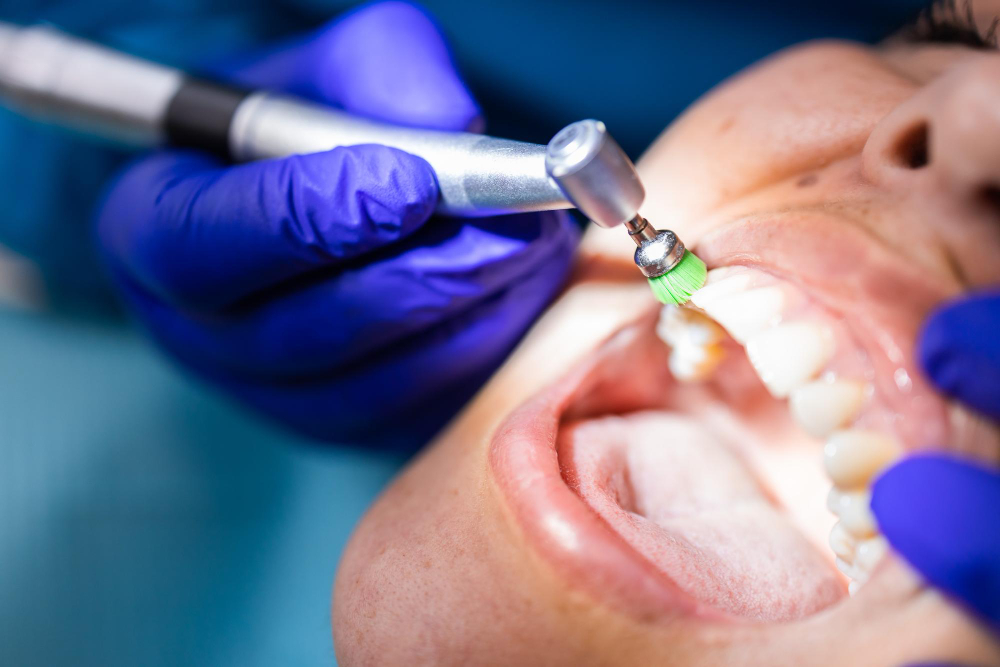
What Is Dental Scaling?
Dental scaling is a common dental procedure. It removes plaque and tartar from your teeth. Plaque is a sticky film of bacteria. Tartar is hardened plaque that sticks to teeth. Both can cause gum disease if not removed. Dentists use special tools for dental scaling. This process is also called professional teeth cleaning. According to the American Dental Association, regular scaling helps keep your mouth healthy.
Why Is Dental Scaling Important?
Dental scaling is important for several reasons. First, it helps prevent gum disease. Gum disease can lead to tooth loss if untreated. Second, scaling removes plaque and tartar that brushing cannot reach. Even with good dental hygiene, some buildup is hard to remove at home. In addition, scaling helps keep your breath fresh. It also lowers your risk of cavities and other dental problems.
How Is Dental Scaling Performed?
During dental scaling, your dentist or hygienist uses special tools. These tools gently scrape away plaque and tartar from your teeth. Sometimes, an ultrasonic device is used. This device vibrates and sprays water to remove buildup. The process usually takes 30 to 60 minutes. For most people, dental scaling is not painful. However, you may feel some pressure or mild discomfort. After scaling, your teeth are polished to remove stains and make them smooth.
Benefits of Dental Scaling
Dental scaling offers many benefits for your oral health. For example, it helps prevent gum disease and tooth decay. It also improves the look of your teeth. Here are some key benefits:
According to the CDC, regular professional teeth cleaning is vital for a healthy mouth.
What to Expect During and After the Procedure
Before the procedure, your dentist will check your teeth and gums. During dental scaling, you may hear scraping sounds. This is normal. You might feel some pressure, but most people do not feel pain. After scaling, your gums may feel tender or bleed slightly. This usually goes away in a day or two. You may also notice your teeth feel smoother and cleaner. If you have sensitive teeth, your dentist may suggest a special toothpaste. Drinking plenty of water and avoiding very hot or cold foods can help reduce discomfort.
Tips for Maintaining Oral Health After Scaling
After dental scaling, it is important to keep your teeth clean. Good habits help prevent plaque and tartar from coming back. Try these oral health tips:
With these steps, you can keep your smile healthy and bright.
Frequently Asked Questions About Dental Scaling
In summary, dental scaling is a simple way to keep your teeth and gums healthy. For personalized advice, consult your dentist. They can guide you on the best dental hygiene routine for your needs.