
Introduction
Dental caries, also known as tooth decay, is a common dental problem. Many people experience it at some point in their lives. Early signs of dental caries can be easy to miss. However, with the right knowledge, you can spot and prevent tooth decay. In this blog, you will learn about the causes, symptoms, diagnosis, treatment, and prevention of dental caries. Understanding these points can help you keep your teeth healthy and strong.
What Are Dental Caries?
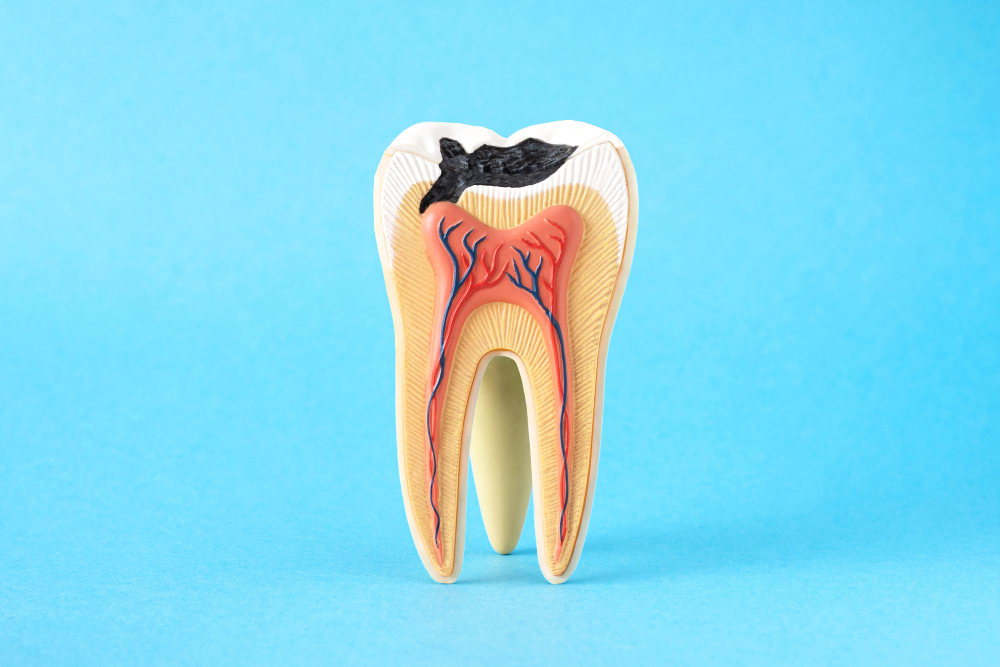
Dental caries are holes or damage in the teeth caused by bacteria. These bacteria feed on sugars in your mouth. As a result, they produce acids that slowly break down the tooth surface. Over time, this process leads to cavities. Anyone can get dental caries, but children and older adults are at higher risk. According to the World Health Organization (WHO), dental caries is one of the most common health conditions worldwide.
Causes of Dental Caries
Several factors can lead to dental caries. Understanding these causes can help you avoid tooth decay. For example, eating sugary foods often increases your risk. But there are other causes as well:
Because these factors can work together, it is important to address them early.
Symptoms
At first, dental caries may not cause any pain. However, as the decay gets worse, you may notice signs of dental caries such as:
If you notice any of these symptoms, it is best to see a dentist soon. Early treatment can prevent further damage.
Diagnosis
Dentists use several methods to diagnose dental caries. First, they will ask about your symptoms and check your mouth. Next, they may use a small mirror and probe to look for soft spots or holes. In some cases, dental X-rays help find hidden decay between teeth. Because early detection is key, regular dental check-ups are important. The Centers for Disease Control and Prevention (CDC) recommends visiting your dentist at least once a year.
Treatment Options
Treatment for dental caries depends on how severe the decay is. Here are some common ways dentists treat tooth decay:
Because each case is different, your dentist will suggest the best option for you. If you are unsure how to treat dental caries, always ask your dentist for advice.
Prevention Tips
Preventing dental caries is easier than treating them. With a few simple steps, you can protect your teeth every day. For example, you can:
Because prevention is key, make these habits part of your daily routine. Tooth decay prevention starts at home but is supported by regular dental care.
Conclusion
Dental caries can affect anyone, but you can take steps to prevent and treat them. Early signs of dental caries are easy to miss, so regular dental visits are important. If you notice pain, spots, or holes in your teeth, do not wait. Consult a dentist for personalized advice on preventing and treating dental caries. Your smile deserves the best care.