
Introduction
Metal braces are a common way to straighten teeth and fix bite problems. Many people choose metal braces because they are strong and effective. In fact, metal braces have helped millions achieve a healthy smile. If you are thinking about getting metal braces, it is important to know what to expect. This guide will explain the benefits, procedure, care, and more about metal braces.
What Are Metal Braces?
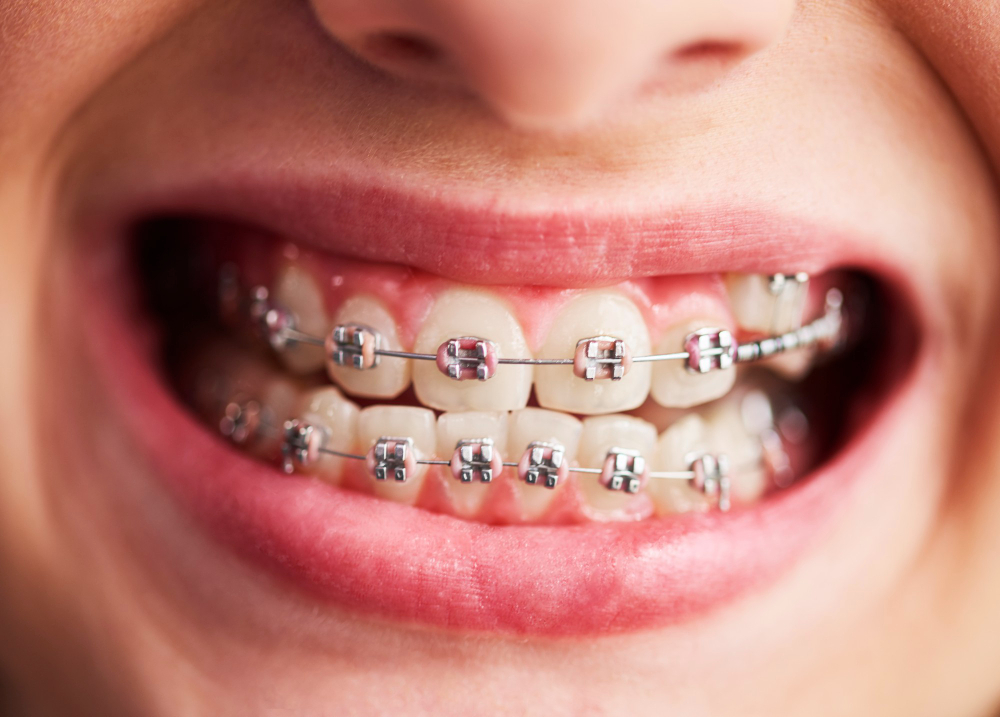
Metal braces are dental devices used to align teeth. They use small metal brackets attached to each tooth. Then, a thin wire connects these brackets. Over time, the wire gently moves teeth into the right position. Usually, an orthodontist, a dentist who specializes in straightening teeth, places and adjusts metal braces. Although there are other types of braces, metal braces remain the most popular choice.
Benefits of Metal Braces
Metal braces offer many advantages. For example, they are:
Because of these benefits, many dentists recommend metal braces for straightening teeth.
Who Needs Metal Braces?
Not everyone needs metal braces. However, they are helpful for people with:
Usually, your dentist or orthodontist will examine your mouth and suggest the best treatment. Sometimes, children as young as seven may need braces. Still, adults can benefit from metal braces as well.
The Procedure: Getting Metal Braces
First, your orthodontist will check your teeth and take X-rays. Next, they will make a plan for your treatment. Then, they will clean your teeth and attach small metal brackets using a special glue. After that, a thin wire is placed through the brackets. Sometimes, rubber bands are added for extra support. The whole process usually takes one to two hours. Afterward, you may feel some pressure or soreness, but this is normal. Regular check-ups are needed to adjust the braces and track your progress.
Caring for Metal Braces
Proper care is important to keep your teeth and braces clean. For best results, follow these tips:
With good care, you can prevent cavities and gum problems while wearing braces.
Common Questions About Metal Braces
Many people have questions about metal braces. Here are some common ones:
If you have more questions, your orthodontist can help.
Potential Risks and Side Effects
Although metal braces are safe, some risks exist. For example, you may experience:
However, most side effects are mild and temporary. Regular dental visits help prevent serious problems. According to the American Association of Orthodontists, proper care reduces risks.
Tips for Living with Metal Braces
Adjusting to metal braces takes time. However, these tips can make life easier:
With these habits, you can stay comfortable and protect your braces.
Prevention and Oral Hygiene
Good oral hygiene is key while wearing metal braces. For example, brush and floss every day to remove food and plaque. In addition, visit your dentist for regular cleanings. Avoid sugary snacks and drinks, as they can cause cavities. If you follow these steps, you will keep your teeth healthy during and after treatment. The Centers for Disease Control and Prevention (CDC) also recommends regular dental care for everyone, especially those with braces.
Conclusion
Metal braces are a trusted way to straighten teeth and improve your smile. They are strong, effective, and suitable for most people. Although you may need time to adjust, proper care makes the process easier. If you think metal braces might help you, consult a dental specialist to find out if metal braces are right for you.