
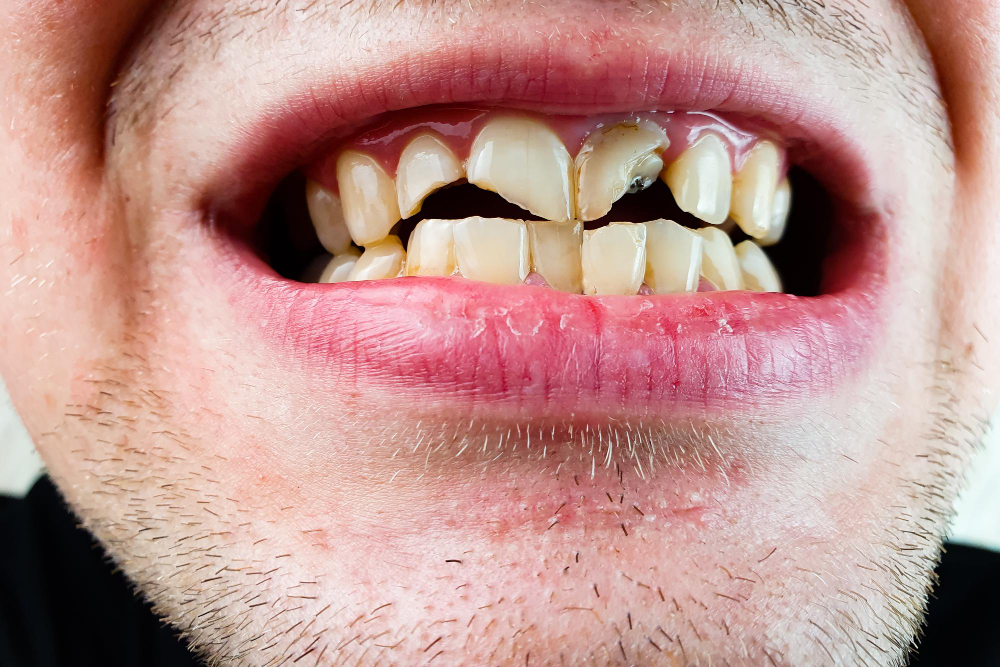
Dental trauma means any injury to the teeth, gums, or mouth. Often, it involves chipped or broken teeth. If you have dental trauma, quick action is important. This can help save your tooth and prevent more problems. Many people wonder how to fix a chipped tooth or where to find emergency dental care. In this guide, you will learn what to do if you have a chipped or broken tooth and how to protect your smile.
What is Dental Trauma?
Dental trauma is an injury to the teeth, gums, or mouth. Usually, it happens suddenly. For example, you might fall, get hit in the face, or bite something hard. Chipped or broken teeth are common types of dental trauma. Sometimes, the injury is minor. Other times, it can be serious and need urgent care. According to the World Health Organization (WHO), dental injuries are common in both children and adults.
Common Causes of Chipped or Broken Teeth
Many things can cause chipped or broken teeth. Knowing these causes can help you avoid injury. For instance, you might chip a tooth while playing sports or eating hard foods. Here are some common causes:
Symptoms of Dental Trauma
After a tooth injury, you may notice several signs. Sometimes, the symptoms are easy to spot. Other times, they are less obvious. Watch for these symptoms:
If you notice any of these signs, it is important to act quickly. Early care can prevent more damage.
Immediate Steps After a Tooth Injury
If you chip or break a tooth, stay calm. Acting fast can help save your tooth. Here are the steps you should follow:
Remember, quick action can make a big difference in treatment for broken teeth.
Diagnosis and When to See a Dentist
After a dental injury, a dentist will check your mouth and teeth. They may take X-rays to see the damage. Sometimes, the injury is not visible right away. For this reason, it is best to see a dentist even if the pain is mild. Seek urgent care if:
Early diagnosis helps your dentist choose the best treatment for dental trauma.
Treatment Options for Chipped or Broken Teeth
Treatment depends on how bad the injury is. Your dentist will explain the best way to fix your tooth. Here are some common treatments:
Ask your dentist about the best treatment for broken teeth in your case.
Prevention Tips
Although accidents can happen, you can lower your risk of dental trauma. Here are some tips to protect your teeth:
By following these steps, you can help prevent chipped or broken teeth.
Frequently Asked Questions
How can I fix a chipped tooth at home?
You should not try to fix a chipped tooth at home. Instead, rinse your mouth, save any broken pieces, and see a dentist as soon as possible.
Is a chipped tooth a dental emergency?
Sometimes, a chipped tooth is an emergency, especially if there is pain or bleeding. Even if it does not hurt, it is best to see a dentist soon.
What happens if I do not treat a broken tooth?
If you do not treat a broken tooth, it can lead to pain, infection, or more damage. Early treatment helps protect your smile.
How long does it take to repair a chipped tooth?
Many chipped teeth can be fixed in one visit. However, more serious injuries may need more time or several visits.
Where can I find emergency dental care?
If you need urgent help, search for an emergency dentist near you or call your regular dentist for advice.
Conclusion
Dental trauma, like chipped or broken teeth, can happen to anyone. However, quick action and proper care can save your tooth and prevent more problems. If you experience dental trauma, consult a dentist promptly for personalized care. Protect your smile by following prevention tips and seeking help when needed.